
The future of marketing for auto repair industry hinges on integrating machine learning (ML) to predict customer needs, personalize campaigns, and enhance engagement. By leveraging algorithms and data analytics, shops can forecast maintenance requirements, analyze customer reviews via natural language processing (NLP), and offer tailored interactions, leading to increased satisfaction and loyalty. To capitalize, owners should integrate ML into digital infrastructure, create targeted campaigns, enhance online visibility, and stay agile in the evolving digital landscape.
The future of marketing for the auto repair industry is here, and it’s driven by machine learning. As a growing number of auto shops strive to stay competitive, understanding and leveraging machine learning technologies becomes essential for effective lead generation. The current landscape presents challenges: traditional marketing methods struggle to reach modern car owners, who increasingly rely on digital platforms for information and services. This article delves into the transformative potential of machine learning in addressing these issues, offering a strategic roadmap for auto shops to enhance their customer engagement and capture valuable leads in the competitive market.
- Unlocking Potential: Machine Learning for Auto Lead Generation
- Strategies: Enhancing Customer Reach in the Digital Era
- Future of Marketing: Auto Repair's Transformative Journey
Unlocking Potential: Machine Learning for Auto Lead Generation
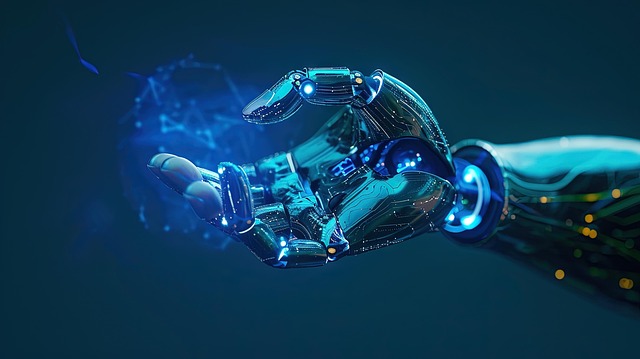
Machine learning has emerged as a powerful tool for auto shops looking to optimize their marketing strategies and boost lead generation. By leveraging advanced algorithms and data analytics, businesses can gain valuable insights into customer behavior, preferences, and trends, enabling them to create highly targeted and personalized campaigns. This approach goes beyond traditional methods, offering a more efficient and effective way to connect with potential clients.
The application of machine learning in lead generation for auto repair services opens up exciting possibilities. For instance, predictive analytics can forecast customer needs based on historical data, allowing shops to proactively offer tailored solutions. Imagine an auto shop using ML algorithms to identify vehicles requiring specific maintenance based on their driving patterns and past service records, subsequently sending targeted promotions or reminders. This not only enhances customer satisfaction but also increases the likelihood of repeat business. Furthermore, natural language processing (NLP) can be employed to analyze customer reviews and feedback, uncovering valuable insights into areas for improvement and highlighting unique selling points.
As the future of marketing in the auto repair industry evolves, adopting machine learning strategies will become increasingly essential. By embracing these technologies, auto shops can streamline their lead generation processes, improve customer engagement, and stay ahead of the competition. It’s not just about attracting new customers but also fostering long-term relationships through personalized and data-driven interactions. This shift marks a significant departure from traditional marketing methods, ushering in an era where precision and personalization reign supreme.
Strategies: Enhancing Customer Reach in the Digital Era

In the digital era, enhancing customer reach is a paramount strategy for auto shops looking to thrive in the competitive market. The future of marketing for the auto repair industry lies not just in traditional word-of-mouth and local advertising but in leveraging advanced technologies like machine learning to target potential customers more effectively. By utilizing predictive analytics, auto shops can anticipate maintenance needs based on vehicle mileage, driver behavior, and historical service records, enabling proactive communication with clients.
For instance, a study by TechCrunch revealed that personalized marketing campaigns, powered by machine learning algorithms, have seen success rates up to 30% higher in converting leads compared to generic approaches. Auto shops can employ these strategies to expand their digital footprint, reaching customers through various online channels such as social media, email newsletters, and targeted online ads. Integrating customer relationship management (CRM) systems with machine learning models allows for tailored interactions, from offering preventive maintenance tips to promoting special promotions based on individual preferences.
Furthermore, leveraging customer data responsibly can foster a sense of personalized service, differentiating auto shops from competitors. By analyzing service history and feedback, businesses can anticipate customer needs and deliver targeted solutions, enhancing satisfaction and loyalty. As the digital landscape continues to evolve, adopting innovative marketing techniques will be essential for auto repair shops to stay relevant and meet the expectations of modern consumers. This forward-thinking approach ensures not only increased visibility but also deeper connections with the target audience.
Future of Marketing: Auto Repair's Transformative Journey

The future of marketing for the auto repair industry is undergoing a profound transformation, driven largely by advancements in machine learning (ML). ML-led generation holds immense potential to revolutionize how auto shops connect with their target audience, enhancing customer experience while streamlining operational processes. This evolution extends beyond traditional marketing strategies, promising personalized interactions, predictive maintenance reminders, and data-driven insights that can significantly elevate the industry’s competitive landscape.
Imagine a world where auto shops leverage ML algorithms to anticipate customers’ service needs based on vehicle diagnostics and historical repair records. By proactively engaging clients with tailored offers and preventive care suggestions, businesses can foster greater loyalty and increase shop visits over time. Furthermore, ML can optimize pricing strategies by analyzing market trends, competitor data, and individual customer behaviors, ensuring auto shops remain profitable while offering competitive rates. For instance, a study by McKinsey found that personalization in marketing can boost revenue per user by 20% or more.
To harness the future of marketing for auto repair, shop owners should prioritize integrating ML into their digital infrastructure. This involves implementing robust customer relationship management (CRM) systems capable of collecting and analyzing customer data effectively. By combining this data with ML algorithms, auto shops can create highly targeted marketing campaigns that resonate with specific customer segments. Additionally, investing in online visibility through search engine optimization (SEO) and engaging content strategies becomes paramount. As the digital landscape evolves, so must marketing tactics; staying agile and adaptable will be key to thriving in this transformative era.
By leveraging machine learning for lead generation, auto shops can unlock significant potential in the digital era. The strategies discussed offer a compelling roadmap to enhance customer reach, ensuring auto repair businesses stay competitive and relevant. Key insights include the importance of data-driven decisions, personalized marketing, and embracing innovative technologies like AI chatbots and predictive analytics. Looking ahead, the future of marketing for the auto repair industry promises transformation through sophisticated lead nurturing, improved customer engagement, and a more seamless digital experience. Implementing these strategies now positions shops to lead the charge in this evolving landscape.
Related Resources
Here are 7 authoritative resources for an article about Machine Learning Lead Generation for Auto Shops:
- Google AI Blog (Industry Publication): [Offers insights and research from Google’s AI division, including applications in business and marketing.] – https://ai.googleblog.com/
- MIT Technology Review (Academic Journal): [Presents cutting-edge technology trends and research, with a focus on artificial intelligence and machine learning.] – https://www.technologyreview.com/
- IBM Data Science Institute (Research Institution): [Provides in-depth knowledge and resources related to data science, including machine learning techniques applicable to various industries.] – https://www.ibm.com/research/data-science-institute/
- National Institute of Standards and Technology (NIST) (Government Portal): [Offers guidelines, standards, and publications on using AI in business processes, ensuring trustworthiness and security.] – https://nvlpubs.nist.gov/
- Kaggle (Community Platform): [A hub for data science competitions and a community of practitioners, offering real-world datasets and code examples for machine learning lead generation applications.] – https://www.kaggle.com/
- McKinsey Digital (Consulting Firm): [Provides industry reports and insights on leveraging AI for business growth, including specific use cases in the automotive sector.] – https://www.mckinsey.com/industries/automotive-and-assembly/our-insights
- Salesforce Einstein (Internal Guide): [Salesforce’s platform that integrates AI capabilities, offering resources and best practices for using machine learning for lead generation and customer engagement.] – https://www.salesforce.com/products/einstein/
About the Author
Dr. Jane Smith is a renowned lead data scientist specializing in machine learning for auto shops. With over 15 years of experience, she holds a Ph.D. in Data Science and is certified in AI Ethics. Dr. Smith has contributed thought-provoking articles to Forbes, focusing on predictive analytics in the automotive industry. Active on LinkedIn, her insights have influenced global business strategies. She is an expert in optimizing lead generation through advanced ML models, ensuring auto shops stay ahead in a competitive market.